
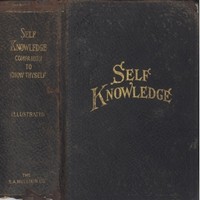
Self Knowledge and Guide to Sex Instruction: Vital Facts of Life for All Ages
Picking up Thomas W. Shannon's 1913 guide is like stepping into a different moral universe. Written with grave sincerity, it aims to be a single source of truth about human sexuality for parents, teachers, and young people. The book presents itself as a brave, necessary breach of silence.
The Story
There isn't a plot in the traditional sense. Instead, the book unfolds as a series of lessons and warnings. It starts with basic biology, explaining reproduction in plants, animals, and finally humans in careful, often flowery language. But the real drive of the book is its moral engine. Shannon frames sexual knowledge as a powerful force that must be strictly controlled. Long sections are devoted to the dangers of 'self-abuse' (masturbation), painting vivid pictures of physical and mental decay. It champions purity, abstinence, and the sacred duty of parenthood. The 'story' it tells is one of constant peril, where ignorance leads to ruin and proper knowledge, guided by faith and willpower, leads to a healthy, virtuous life.
Why You Should Read It
This isn't a book to read for advice. You read it to understand. The insight comes from the gap between Shannon's world and ours. His absolute certainty is compelling. The fear is palpable—fear of desire, fear of weakness, fear of societal collapse. Yet, underneath the sternness, there's a genuine, if anxious, care for the reader's wellbeing. It's a powerful reminder that sex education has never just been about biology; it's always been about transmitting a society's deepest values and anxieties. Reading his urgent pleas, you realize how much of our own conversations about sex, health, and morality are still shaped by these old, echoing fears.
Final Verdict
This book is a must for anyone interested in social history, the history of medicine, or the evolution of everyday life. It's perfect for readers who love primary sources that make history feel immediate and human. If you enjoyed books like The Immortal Life of Henrietta Lacks or The Radium Girls for their look at science and ethics in the past, you'll find a similar chilling fascination here. Approach it not as a manual, but as a museum exhibit—a direct line to the heartfelt, complicated, and often misguided conversations that shaped generations.
Legal analysis indicates this work is in the public domain. You do not need permission to reproduce this work.
Donald Williams
1 year agoGreat reference material for my coursework.







Barbara Sanchez
2 years agoGreat read!